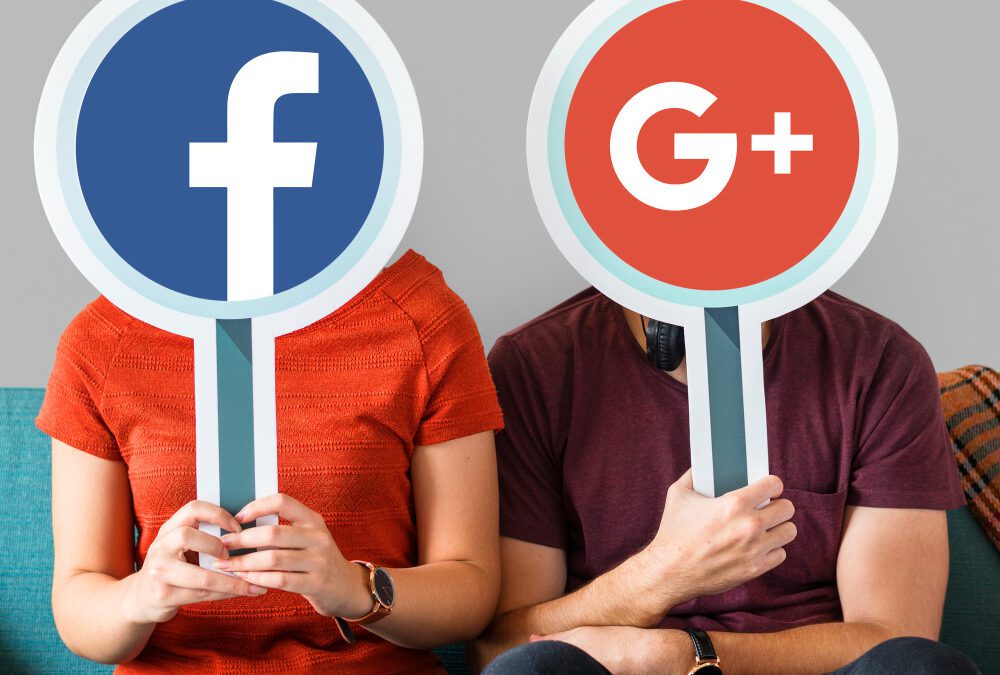
Choosing the right paid advertising platform is one of the most important decisions business owners face when planning performance marketing campaigns. With advertising budgets under constant pressure to deliver results, understanding how different platforms work is critical. Two of the most widely used platforms today are Google Ads and Facebook Ads, each offering unique strengths depending on business goals, audience behavior, and buying intent.
At The Campaign Lab, an experienced online advertising company, we help businesses navigate these choices strategically. This guide explores Google Ads vs Facebook Ads 2026, breaking down how each platform works, where they perform best, and how to decide which is right for your business.
Understanding Paid Advertising and Performance Marketing
Paid advertising is a core component of modern digital marketing. It allows businesses to reach targeted audiences quickly, test messaging, and drive measurable actions. Performance marketing focuses on outcomes such as leads, inquiries, or purchases rather than just visibility.
However, not all ad platforms serve the same purpose. Understanding intent, audience mindset, and platform behavior is key before choosing where to invest.
What Is Google Ads and How Does It Work?
Google Ads is a search-driven advertising platform designed to capture demand at the moment users are actively looking for solutions.
Key Characteristics of Google Ads
- Targets users based on search intent
- Ads appear when people look for specific products or services
- Works well for high-intent, solution-focused searches
- Ideal for businesses offering direct services or solutions
Google Ads is particularly effective when users already know what they want and are actively searching for it. This makes it a powerful platform for lead generation and conversion-focused campaigns.
Businesses looking for professional setup and optimization often benefit from expert Google Ads Services to ensure campaigns are structured correctly and aligned with goals.
What are Facebook Ads and How Does It Work?
Facebook Ads operate on interest-based and behavior-based targeting rather than direct search intent. Ads are shown to users while they browse social platforms, making it a discovery-driven channel.
Key Characteristics of Facebook Ads
- Targets users based on interests, behaviors, and demographics
- Ideal for brand awareness and audience building
- Encourages engagement and visual storytelling
- Works well for nurturing audiences over time
Facebook Ads are especially useful for businesses introducing new products or services and for brands that benefit from visual appeal and ongoing engagement.
Google Ads vs Facebook Ads 2026: Core Differences
When comparing Google Ads vs Facebook Ads 2026, the main distinction lies in intent versus discovery.
- Google Ads captures users with immediate intent
- Facebook Ads introduces solutions to users who may not yet be searching
- Google Ads focuses on demand fulfillment
- Facebook Ads focuses on demand creation
Both platforms play different roles in a complete performance marketing strategy.
When Google Ads Is the Better Choice
Google Ads is often the preferred platform when:
- Your business offers a specific service or solution
- Users actively search for what you provide
- Lead quality is more important than volume
- You want immediate, intent-driven traffic
Industries such as professional services, local businesses, and solution-oriented brands often see strong performance from Google Ads when campaigns are structured correctly.
When Facebook Ads Are the Better Choice
Facebook Ads are more effective when:
- Your product or service benefits from education and awareness
- Visual storytelling is important
- You want to build long-term audience engagement
- Retargeting and nurturing are key goals
Facebook Ads work particularly well for brand building and for warming up audiences before converting them through other channels.
PPC vs Social Ads: Understanding the Funnel
A common mistake businesses make is choosing platforms based solely on cost or popularity rather than funnel alignment.
Top-of-Funnel
Facebook Ads excel at reaching cold audiences and introducing your brand.
Middle-of-Funnel
Both platforms can support consideration-stage messaging through retargeting and tailored content.
Bottom-of-Funnel
Google Ads often performs better for conversion-focused actions due to high-intent searches.
Understanding this funnel dynamic helps businesses use both platforms strategically rather than competitively.
Budget Allocation Considerations in 2026
Choosing between Google Ads and Facebook Ads is not just about platform features. Budget efficiency, business maturity, and campaign objectives also matter.
Questions to ask before deciding:
- Are users actively searching for my service?
- Do I need immediate leads or long-term brand growth?
- Is my audience visually driven or solution-focused?
- Do I have the resources to manage multiple platforms?
A digital advertising agency can help align budget allocation with realistic outcomes and business priorities.
Creative and Messaging Differences
Creative requirements vary significantly between platforms.
Google Ads
- Focuses on concise, intent-based messaging
- Emphasizes relevance and clarity
- Relies on strong keyword alignment
Facebook Ads
- Requires strong visuals and engaging copy
- Benefits from storytelling and emotional appeal
- Encourages experimentation with formats
Understanding these differences prevents mismatched creatives that reduce performance.
Tracking, Optimization, and Long-Term Growth
Performance marketing does not end at launch. Continuous optimization is essential on both platforms.
Common optimization areas include:
- Keyword refinement and intent alignment
- Audience segmentation and exclusions
- Creative testing and message refinement
- Landing page relevance and conversion paths
Successful campaigns evolve based on performance signals rather than assumptions.
Should You Choose One or Use Both?
For many businesses, the real answer is not choosing between platforms but using them together strategically.
A combined approach allows:
- Facebook Ads to build awareness and nurture audiences
- Google Ads to capture ready-to-convert users
- Improved overall funnel efficiency
- Better return on ad investment
An experienced online advertising company can design integrated campaigns that leverage the strengths of both platforms.
Conclusion
The decision between Google Ads vs Facebook Ads 2026 depends on your business goals, audience behavior, and marketing maturity. Google Ads excels at capturing high-intent demand, while Facebook Ads shines in discovery and engagement. Understanding these roles allows businesses to invest wisely and avoid performance marketing mistakes.
If you want expert guidance on choosing the right paid advertising strategy or need help managing high-performing campaigns, our team is here to help. Contact Us to speak with a digital advertising agency that focuses on clarity, performance, and sustainable growth.